


10 Fun Ways Kids Learn Through Play
Play is much more than just fun—it is one of the most effective ways children learn and grow. Through play, children naturally develop essential skills such as communication, creativity, problem-solving, and teamwork. Instead of simply memorizing information, they explore, experiment, and discover the world around them in exciting ways.
At Shishtata World School, we believe that play-based learning creates happy, confident, and curious learners. Here are ten fun ways children learn through play.
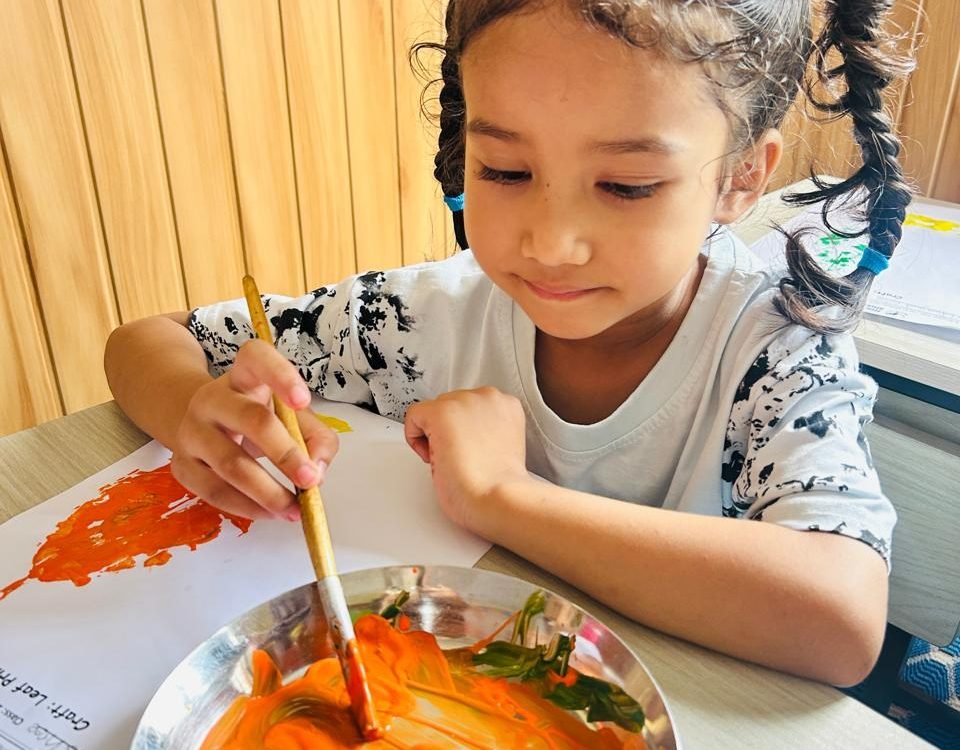
1. Building Creativity with Art and Crafts
Drawing, painting, coloring, and craft activities allow children to express their imagination while improving fine motor skills and creativity. These activities encourage children to think outside the box and create something uniquely their own.
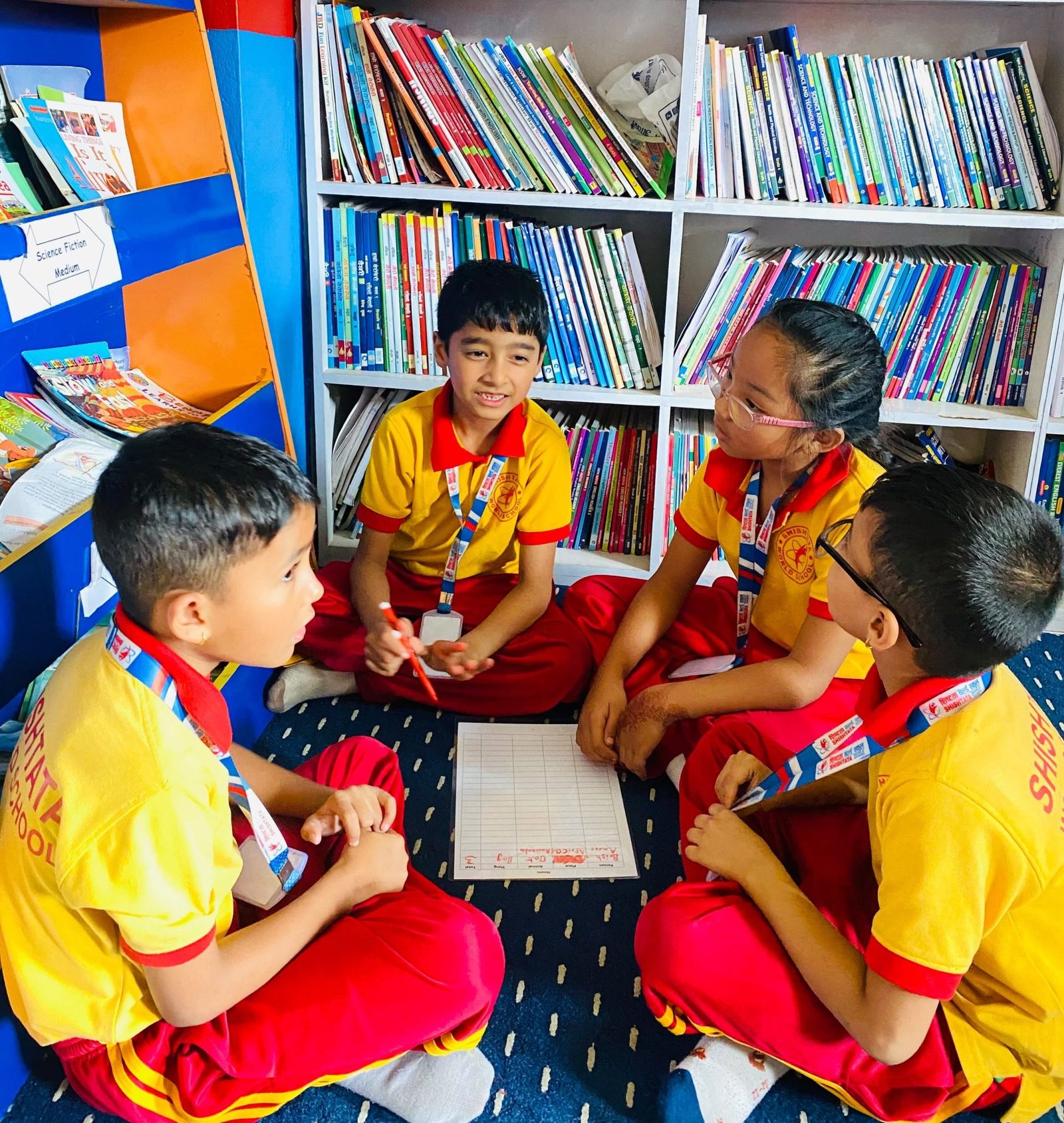
2. Learning Teamwork Through Group Games
Playing games with classmates teaches children how to cooperate, share, communicate, and solve problems together. Team activities also help develop leadership and social skills that benefit them throughout life.
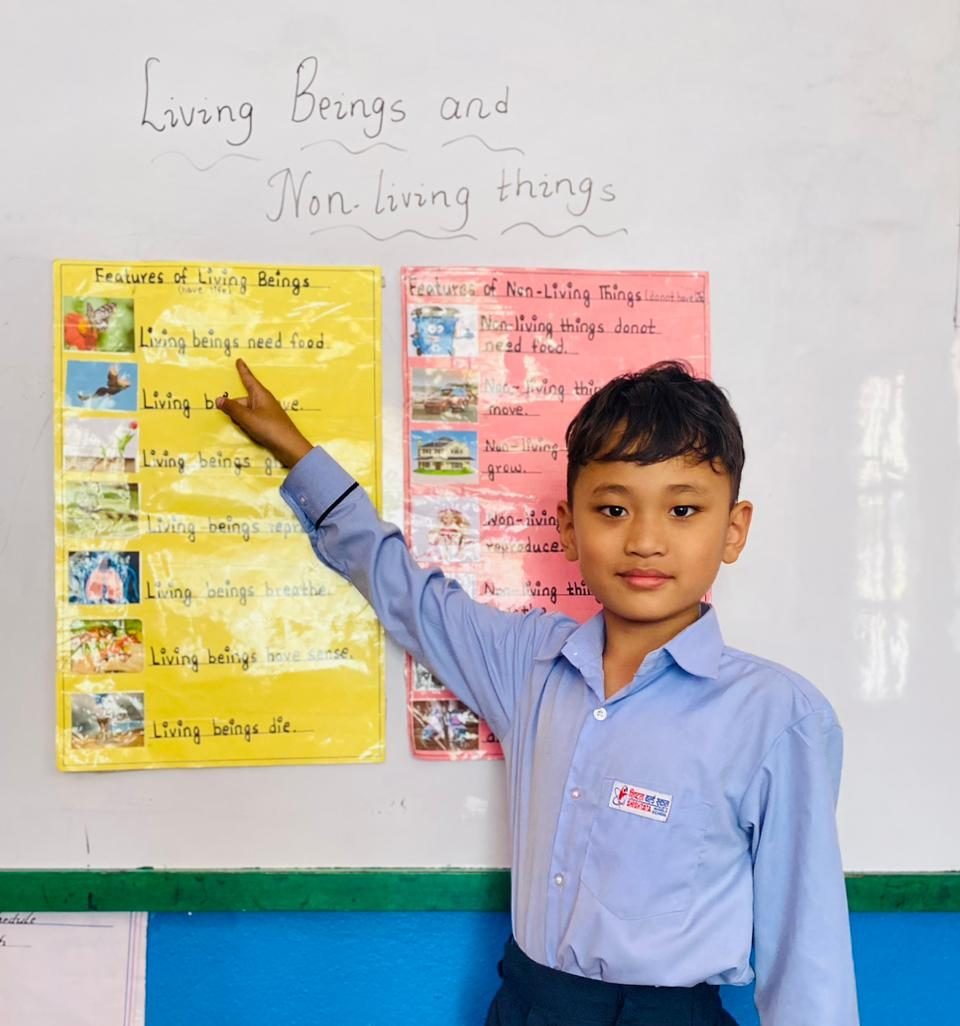
3. Exploring Science Through Simple Experiments
Hands-on science activities make learning exciting. Mixing colors, planting seeds, or observing nature helps children understand scientific concepts while encouraging curiosity and critical thinking.
4. Developing Language Skills Through Storytelling
Storytelling and role-playing improve listening, speaking, and vocabulary. Children also learn to express emotions, build confidence, and develop a love for reading and communication.
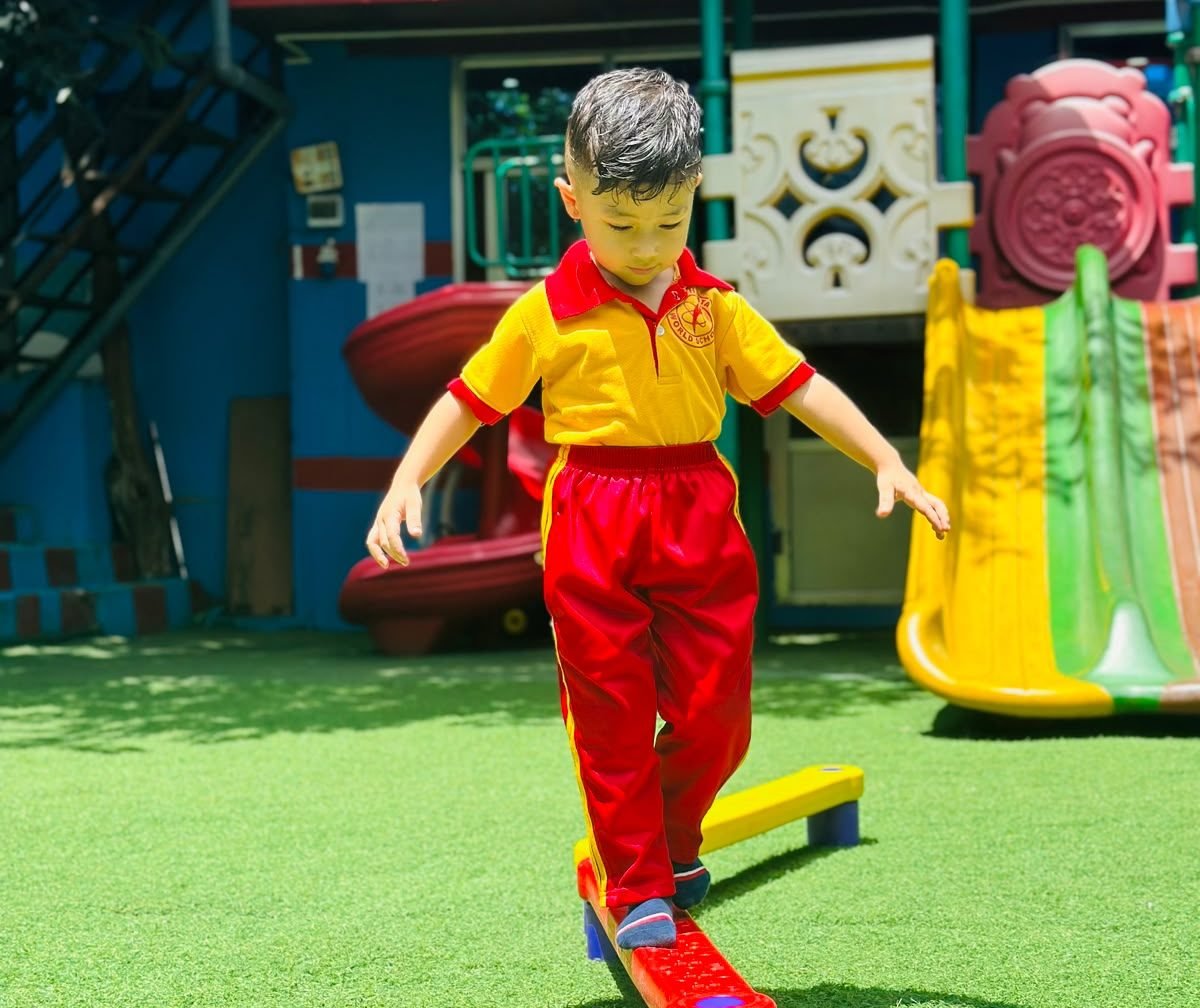
5. Improving Physical Health with Outdoor Play
Running, jumping, climbing, and playing sports improve strength, coordination, and balance. Outdoor activities also teach discipline, teamwork, and the importance of staying active.
6. Strengthening Problem-Solving Skills with Puzzles
Building blocks, puzzles, and educational games encourage children to think logically, recognize patterns, and solve challenges independently. These activities improve concentration and patience.
7. Learning Responsibility Through Pretend Play
Pretend play, such as playing “teacher,” “doctor,” or “shopkeeper,” allows children to explore different roles and responsibilities. It also develops empathy, communication, and decision-making skills.
8. Discovering Math Through Everyday Activities
Children can learn counting, shapes, measurements, and patterns while playing with toys, sorting objects, or participating in simple classroom games. Learning mathematics through play makes concepts easier to understand.
9. Building Confidence Through Music and Dance
Singing songs, dancing, and performing in front of others help children become more confident and expressive. Music activities also improve memory, rhythm, and coordination while making learning enjoyable.
10. Encouraging Curiosity Through Nature Exploration
Nature walks, gardening, and observing plants, insects, and animals inspire children to ask questions and explore the environment. These experiences develop observation skills and foster a lifelong appreciation for nature.
Why Play-Based Learning Matters
Play helps children develop academically, socially, emotionally, and physically. It transforms learning into an enjoyable experience where children actively participate, explore new ideas, and gain confidence in their abilities. Play also encourages independence, resilience, and a positive attitude toward learning.
At Shishtata World School, our classrooms combine structured learning with creative play, interactive activities, sports, and hands-on experiences. We believe that when children enjoy learning, they become more engaged, motivated, and successful.